Watch NOVA Season 37 online
NOVA Season 37 streaming: where to watch online?
- Amazon Video 🇺🇸 Buy
- Apple TV 🇺🇸🇨🇦🇬🇧🇦🇺 Buy
Episodes

1. Darwin's Darkest Hour
A two-hour drama on the crisis that forced Darwin to publish his theory of evolution.

2. Hubble's Amazing Rescue
The unlikely story of how the world's most beloved telescope was saved.
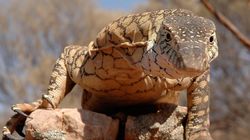
3. Lizard Kings
They look like dragons and inspire visions of fire-spitting monsters. But these creatures with their long claws, razor-sharp teeth, and muscular, whip-like tails are actually monitors, the largest lizards now walking the planet. With their acute intelligence, monitors—including the largest of all, the Komodo dragon—are a very different kind of reptile, blurring the line between reptiles and mammals. Thriving on Earth essentially unchanged since the time of the dinosaurs, they are a very successful species, versatile at adapting to all kinds of settings. This program looks at what makes these long-tongued reptiles so similar to mammals and what has allowed them to become such unique survivors.
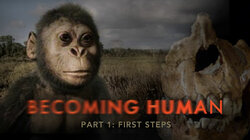
4. Becoming Human Part 1: First Steps
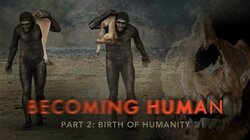
5. Becoming Human Part 2: Birth of Humanity
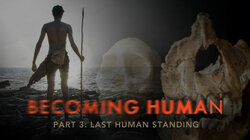
6. Becoming Human Part 3: Last Human Standing

7. What Are Dreams?
Psychologists and brain scientists have new answers to an age-old question.
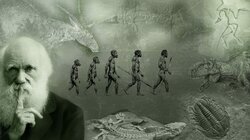
8. What Darwin Never Knew

9. Killer Subs in Pearl Harbor
Beneath the waves, discover an untold story of a day that lives in infamy.

10. Building Pharaoh's Ship
Can the legendary ship of an Egyptian queen sail again?
11. Riddles of the Sphinx
A marvel of ancient engineering is vanishing. Can it be saved?
12. Ghosts of Machu Picchu
Why did the Incas abandon their city in the clouds?

13. Extreme Cave Diving
A team of intrepid scientists journey into one of Earth's most dangerous and beautiful underwater frontiers.

14. The Pluto Files
Take a cross-country journey with Neil deGrasse Tyson to explore the rise and fall of America's favorite planet.
15. Telescope: Hunting the Edge of Space - The Mystery of the Milky Way
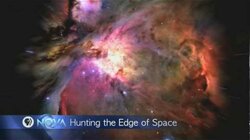
16. Telescope: Hunting the Edge of Space - The Ever Expanding Universe

17. Mind Over Money
In the aftermath of the worst financial crisis since the Great Depression, NOVA presents "Mind Over Money"—an entertaining and penetrating exploration of why mainstream economists failed to predict the crash of 2008 and why we so often make irrational financial decisions. The program reveals how our emotions interfere with our decision-making and explores controversial new arguments about the world of finance. In the face of the recent crash, can a new science that aims to incorporate human psychology into finance—behavioral economics—help us make better financial decisions?
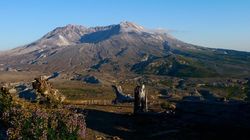
18. Mt. St. Helens Back from the Dead
One of the most violent natural disasters of our time, the colossal eruption of Mt. St. Helens in 1980 blasted away an entire mountainside. Over 200 square miles of pristine forest were buried under millions of tons of lava, ash, mud, and avalanche debris. How could life ever return to this barren moonscape? A lone ecologist, Charlie Crisafulli, spent months in the blast zone and was astonished and puzzled by how quickly plants and animals colonized the wasteland. In this program, stunning cinematography and time-lapse photography trace the dramatic story of how Crisafulli witnessed life's return and figured out the puzzle. Now another question arises: How soon could another catastrophic eruption occur?